
Choosing between Dumpster Rental and a full-service hauling crew affects the labor, timing, space, and cost of a cleanup. A container gives the customer time to load materials independently, while a crew arrives to carry approved items and remove them during a scheduled appointment. Knowing these details before scheduling also helps customers compare complete services instead of relying on a single advertised claim.
The difference matters because a renovation that produces debris over several days has different needs from an apartment cleanout with heavy furniture. The best option depends on project length, available workers, placement space, material weight, and local restrictions. This guide compares the two service models so property owners can select the approach that fits the actual work instead of choosing only by the lowest advertised price.
How Full-Service Hauling Works
A hauling crew arrives with a truck, reviews the approved items, confirms the estimate, and performs the loading. This approach is designed for customers who want the materials removed in one appointment and do not want to carry everything outside.
It works well for furniture, appliances, boxes, office items, move-outs, and indoor cleanouts. Access details still matter because stairs, elevators, long carrying routes, and disassembly can affect the labor and price.
Before booking, ask the provider to explain how this part of the project is handled, what information is required, and whether it changes the quoted scope. Written details make the service easier to compare and reduce assumptions on appointment day.
How a Rental Container Works
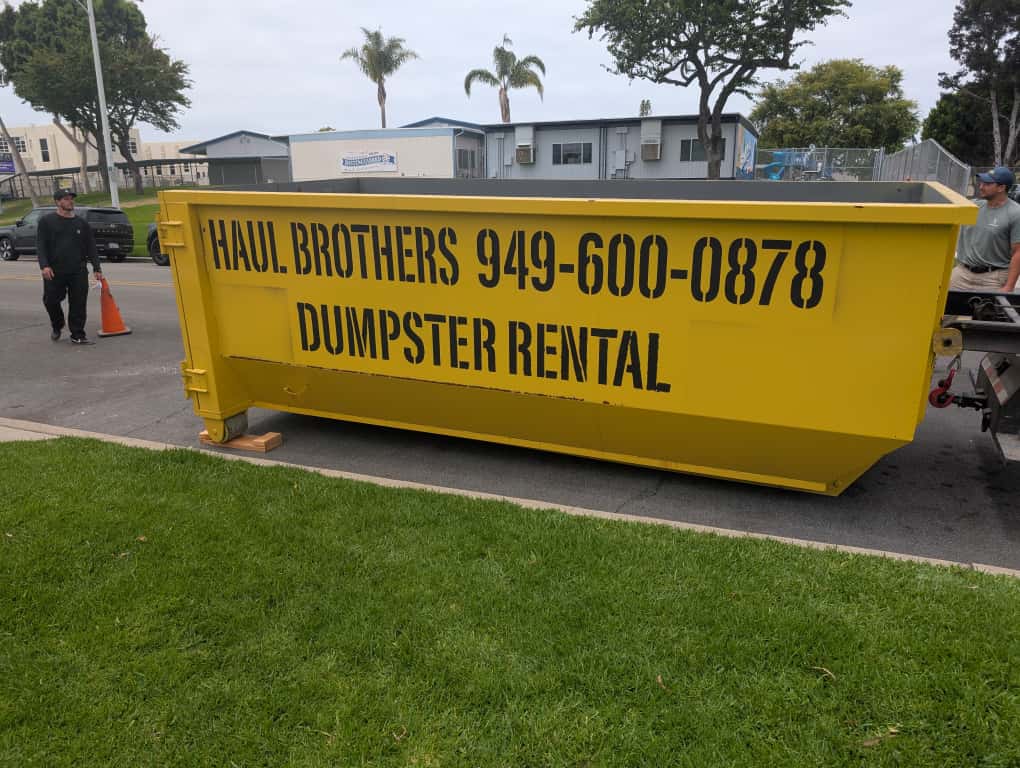
A container is delivered to a suitable location and remains for an agreed rental period. The customer or project crew loads the debris before the provider returns for pickup. The price normally includes delivery, collection, a time allowance, and a weight limit.
Dumpster Rental gives customers more control over the loading schedule. It is useful when debris is produced gradually, but the customer is responsible for labor, safe loading, prohibited materials, and keeping the pickup route clear.
Photos, measurements, and honest descriptions are especially useful when the property contains unusual materials or limited access. These details help the company select appropriate labor, equipment, vehicle capacity, and disposal routes before arriving.
Which Option Requires More Labor
The largest difference is who performs the physical work. Full-service hauling includes approved lifting and carrying, while a container normally arrives without labor. Customers must load every item or hire separate workers.
Heavy furniture, appliances, stairs, and indoor materials can make self-loading difficult. Contractors with an existing crew may prefer a container, while homeowners working alone may gain more value from full-service help.
For properties in San Juan Capistrano, access conditions should be reviewed early rather than after the crew or equipment reaches the site. Parking, gates, elevators, overhead clearance, surface strength, and building rules can all affect safe service.
How Project Duration Changes the Choice
A one-day cleanout often favors a crew because the items are ready and the property can be cleared immediately. Renovations, roofing, landscaping, and construction may favor a container because debris appears over several days.
Customers should estimate how long the work will continue and whether the included rental period is sufficient. Extra days can add cost, while repeated hauling visits may be inefficient for an ongoing project.
Planning this step before the deadline leaves time to correct missing information, separate restricted items, or choose another service model. Last-minute decisions are more likely to create delays, added labor, and preventable charges.
Space and Placement Requirements
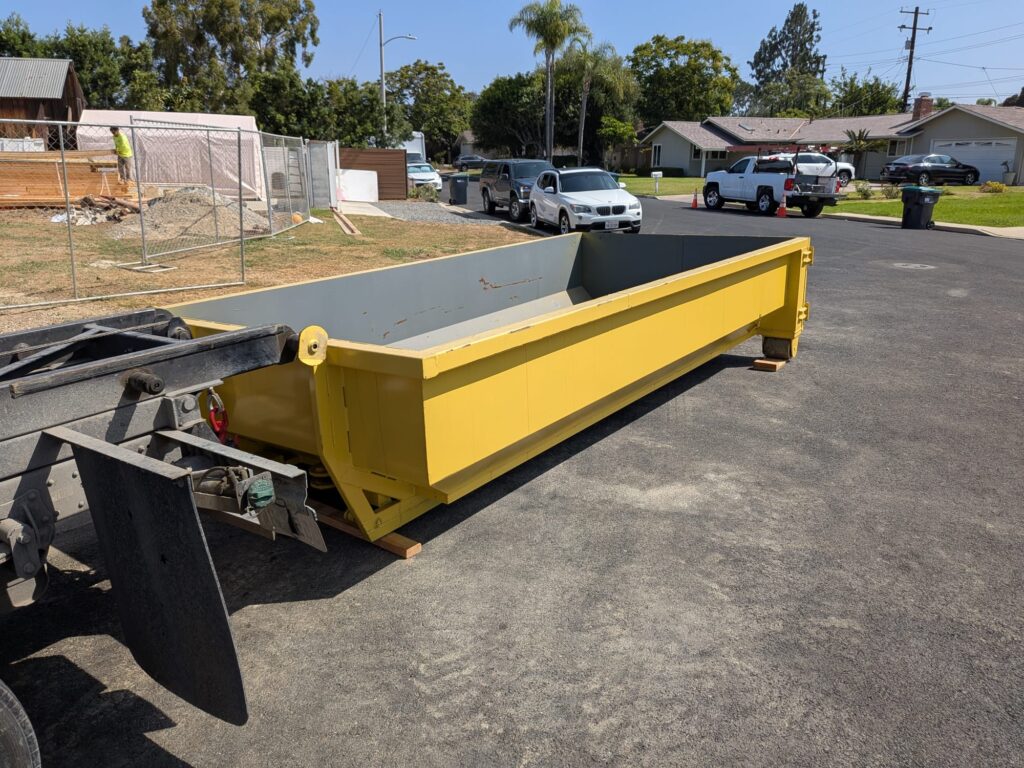
A container needs a stable surface and enough clearance for delivery and pickup. Low wires, tree branches, narrow driveways, gates, parked vehicles, and soft ground can prevent placement. Street use may require permission.
A hauling truck usually stays only for the appointment, although it still needs legal parking and a clear carrying route. Apartments and crowded commercial sites often have less space for a multi-day container.
Customers should request any material restrictions, limits, or special fees in writing. A clear record supports fair comparisons and provides a reference if the project changes after the original estimate or scheduling conversation.
Comparing the Two Pricing Structures
Full-service pricing often reflects truck volume, labor, access, item type, weight, and disposal. Container pricing normally reflects size, rental days, weight allowance, delivery, pickup, and disposal. Both can include surcharges.
A complete comparison should include every responsibility, not just the base rate. Dumpster Rental may appear cheaper until labor, extra days, or overweight charges are added. Hauling may appear higher because labor is already included.
When the project is large or difficult to describe, an on-site review may be more reliable than photos alone. The provider can inspect access, volume, weight, and safety conditions before confirming equipment and staffing.
Material Rules and Weight Limits
Both services restrict hazardous materials such as fuels, chemicals, asbestos, and medical waste. Appliances, electronics, tires, mattresses, and dense debris may require approval or special fees. Customers should request an accepted-material list.
Containers are especially sensitive to weight because dense materials can exceed limits before the bin looks full. Full-service crews also need advance notice so they can choose the correct truck and disposal destination.
The customer should also identify who is authorized to approve price or scope changes. Having one decision-maker available prevents confusion and helps the crew continue efficiently when an unexpected condition appears.
How to Choose the Better Option
Choose a crew when the job is indoors, heavy, urgent, or too small to justify a container. Choose a container when a large project continues over several days, safe loading labor is available, and the property has enough placement space.
Request written quotes using the same material list, timeline, and access details. The better option is the one that covers the full project with the least unnecessary labor, risk, and added fees.
A final check should confirm that the agreed work is complete, the area is left in the promised condition, and any remaining materials are understood. This simple review closes the project with fewer unanswered questions.
Conclusion
A rental container offers flexible loading and works well for longer projects with available labor and suitable placement space. Full-service hauling is often better for fast cleanouts, indoor items, heavy lifting, apartments, and clearly defined loads. Cost comparisons should include labor, rental days, weight limits, disposal, access, and possible surcharges rather than relying on starting prices. Written terms and honest project details remain the most reliable tools for avoiding preventable delays and unexpected charges.
To compare Dumpster Rental with full-service options in San Juan Capistrano, contact Haul Brothers LLC at 949-600-0878. Share the material type, estimated volume, project timeline, and property access details. The team can explain which service model fits the work, what restrictions apply, and how pricing is calculated. A matched service plan keeps the cleanup efficient and prevents the project from paying for the wrong solution.