A professional Donation Pick-Up service can help property owners clear usable furniture, clothing, household goods, and equipment while reducing the amount sent directly to disposal. The process combines item review, safe carrying, transportation, and delivery to an organization that is willing and able to accept the goods. Knowing these details before scheduling also helps customers compare complete services instead of relying on a single advertised claim.
Donation planning matters because not every item is suitable, and acceptance rules can change according to condition, storage space, seasonal demand, and facility schedules. A pickup company cannot guarantee that every object will be donated. This guide explains how items are evaluated, prepared, transported, and documented, along with the practical reasons some materials must be recycled or disposed of instead.
Which Items Are Commonly Considered for Donation
Clean furniture, working appliances, clothing, household goods, tools, office equipment, and usable building materials may be considered. Items should be complete, functional, and free from serious stains, odors, pests, moisture damage, or safety hazards.
Customers should provide photos and honest condition details. An item that looks acceptable from a distance may be rejected because of broken parts, missing hardware, contamination, or facility policies. Early review reduces wasted loading time.
Before booking, ask the provider to explain how this part of the project is handled, what information is required, and whether it changes the quoted scope. Written details make the service easier to compare and reduce assumptions on appointment day.
Why Condition Standards Matter
Donation organizations must protect staff, recipients, storage areas, and transportation equipment. Upholstered items with tears, stains, smoke odor, or pest evidence may be refused. Electrical products may need to work safely and include necessary parts.
A responsible Donation Pick-Up provider should not promise acceptance before the receiving organization reviews the item or its policies. When donation is not possible, the customer should understand whether recycling or disposal is the next option.
Photos, measurements, and honest descriptions are especially useful when the property contains unusual materials or limited access. These details help the company select appropriate labor, equipment, vehicle capacity, and disposal routes before arriving.

How Photos Help Before the Pickup
Wide photos show the size and quantity of the load, while close images reveal condition, brand, model, and damage. Measurements are helpful for large furniture, appliances, and items that must pass through narrow doors or fit within a receiving facility.
Customers should photograph labels, missing pieces, stains, and mechanical issues rather than hiding them. Accurate images help the provider estimate labor and determine whether a donation stop is realistic.
For properties in San Juan Capistrano, access conditions should be reviewed early rather than after the crew or equipment reaches the site. Parking, gates, elevators, overhead clearance, surface strength, and building rules can all affect safe service.
Preparing Items for Safe Collection
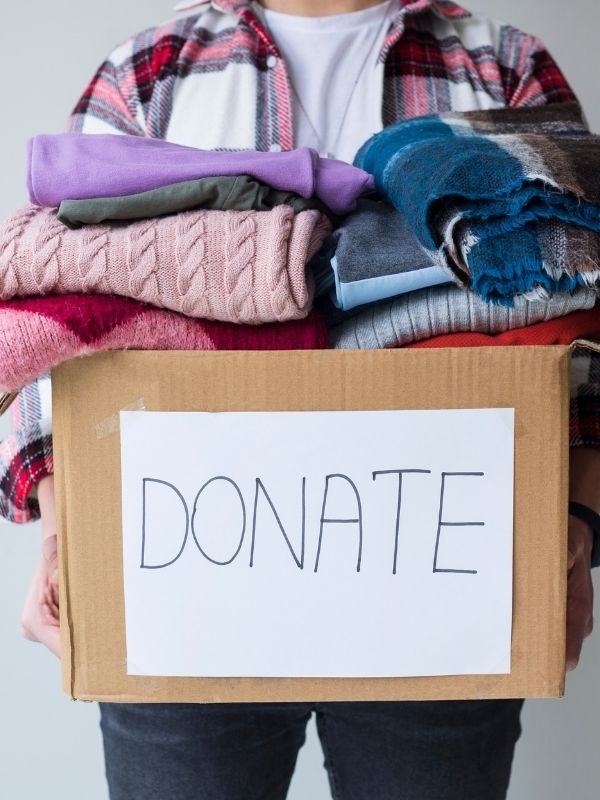
Clothing, books, dishes, and small household goods should be boxed or bagged securely. Furniture should be emptied, and personal papers, medicines, valuables, and identifying information should be removed. Appliances should be clean and safely disconnected.
Customers should not dismantle heavy items unless they can do so safely. The carrying route should be clear, gates unlocked, elevators reserved, and pets secured. Preparation helps protect both the goods and the property.
Planning this step before the deadline leaves time to correct missing information, separate restricted items, or choose another service model. Last-minute decisions are more likely to create delays, added labor, and preventable charges.
How Pickup and Transportation Are Coordinated
The crew confirms the approved items, access conditions, and estimated volume before loading. Reusable goods may be arranged carefully to reduce damage during transport. Mixed loads can require separation so donation items remain clean and accessible.
Professional Donation Pick-Up may be scheduled around receiving hours because organizations are not always open when a hauling crew is available. The route can include more than one destination when items require different handling.
Customers should request any material restrictions, limits, or special fees in writing. A clear record supports fair comparisons and provides a reference if the project changes after the original estimate or scheduling conversation.
Why Some Items Cannot Be Donated
Broken furniture, outdated electronics, heavily worn mattresses, contaminated textiles, recalled products, unsafe appliances, and incomplete equipment may be refused. Storage limitations can also cause an organization to pause acceptance of otherwise usable items.
A rejected item is not necessarily worthless, but the pickup provider must follow the receiving facility’s decision. Customers should approve a backup plan for recycling or disposal before the load leaves the property.
When the project is large or difficult to describe, an on-site review may be more reliable than photos alone. The provider can inspect access, volume, weight, and safety conditions before confirming equipment and staffing.
Receipts and Documentation
Donation receipts are normally issued by the receiving organization, not guaranteed by the hauling company. The organization determines the description and documentation it provides. Customers should ask about receipt procedures before scheduling if records are important.
The donor is generally responsible for keeping documents and determining any claimed value with appropriate professional guidance. A pickup company should not assign tax values or promise a specific deduction.
The customer should also identify who is authorized to approve price or scope changes. Having one decision-maker available prevents confusion and helps the crew continue efficiently when an unexpected condition appears.
Combining Donation With a Full Cleanout
Large cleanouts often contain a mix of reusable goods, recyclables, ordinary waste, and prohibited materials. Sorting before the appointment helps the crew keep donation candidates separate and prevents contamination from leaking bags or dirty debris.
A room-by-room inventory can identify what stays, what goes to family, what may be donated, and what should be disposed of. This organization reduces accidental removal and supports a more efficient appointment.
A final check should confirm that the agreed work is complete, the area is left in the promised condition, and any remaining materials are understood. This simple review closes the project with fewer unanswered questions.
Conclusion
Donation-focused pickup works best when items are clean, functional, complete, and described honestly before the appointment. Photos, measurements, and condition details help determine whether a receiving organization may accept them. Customers should also approve backup recycling or disposal options because facility policies, demand, and storage space can change. Receipts come from the organization and should never be guaranteed in advance.
To arrange Donation Pick-Up in San Juan Capistrano, contact Haul Brothers LLC at 949-600-0878. Share photos, item conditions, access details, and whether documentation is important. The team can review the load, explain possible destinations, and coordinate safe collection. Careful preparation gives usable items the strongest chance of a second life while keeping the full cleanout moving forward. Written terms and honest project details remain the most reliable tools for avoiding preventable delays and unexpected charges.